HUMAN RESEARCHCureus · 2022
First-in-human KLS-1 dose escalation and expansion
Exploratory assessment of dose, tolerability, and pharmacokinetics. This earlier, small study is distinct from NCT06506643 and does not establish efficacy.
Developing a differentiated approach to zinc biology, beginning with 64Zn therapeutics
Investigational. Clinical benefits remain under evaluation.
FOCUS
We are a subsidiary of Metallomix Inc. focused on developing KLS-1, an investigational intravenous small molecule therapeutic for advanced cancer. Its potential to modulate the metallome also supports exploring applications beyond oncology. Our current clinical program prioritizes dose exposure and safety, followed by dose expansion to identify the tumor targets where KLS-1 has the clearest path forward.
Explore the oncology programA non-radioactive, isotopically defined zinc intervention designed to exploit disease-associated isotopic zinc dyshomeostasis in a controlled therapeutic setting
Evaluate whether 64Zn intervention can safely exploit cancer-associated zinc dyshomeostasis and produce measurable antitumor effects
Evaluate whether 64Zn intervention can improve treatment response, durability, or biologic engagement of standard-of-care therapies
APPROACH
Zinc is integrated into cancer-relevant processes including transcription, DNA damage response, oxidative stress, apoptosis, migration and invasion. Many tumors alter zinc transport, buffering and intracellular handling. We investigate whether controlling not only the amount of zinc delivered, but also its isotopic composition, can change those processes in a therapeutically meaningful way.
We examine isotopic signatures and zinc dyshomeostasis in diseases and relevant processes, including protein function, immune signaling, and cellular metabolism. Define the biological change that a 64Zn therapy may produce.
We use the disease isotope signature as a biological map, then define the enriched 64Zn composition, chemical form, formulation, and exposure conditions required to test a targeted therapeutic hypothesis.
We confirm whether zinc-metallome engagement translates into favorable biological and clinical effects. This allows the enriched 64Zn therapy to be evaluated as a mechanism-based metallotherapeutic intervention rather than as nonspecific zinc supplementation.
PROGRAMS
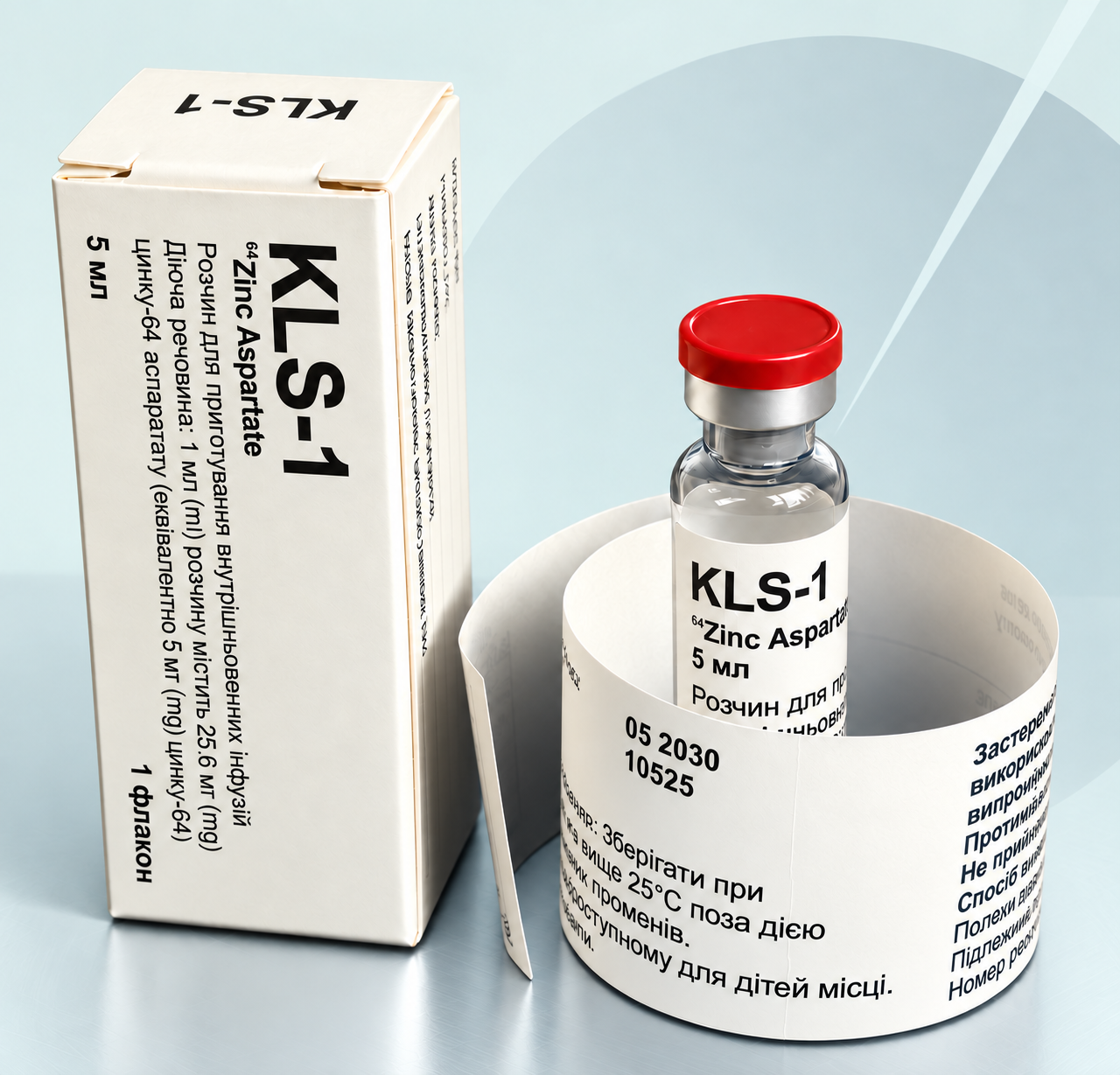
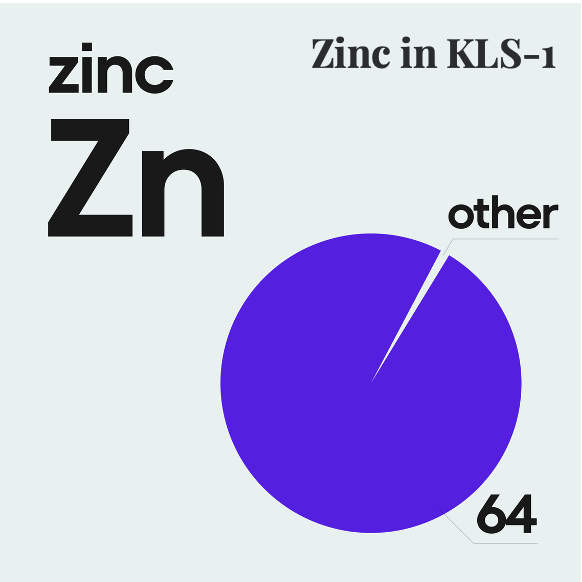
KLS-1 is an investigational intravenous zinc L-aspartate composition enriched with the stable, non-radioactive isotope 64Zn. It is currently being evaluated as monotherapy in a registered Phase 1/2 study in adults with advanced malignancies.
Current clinical foundation
Recruiting patients
Define dose-limiting toxicities, characterize single- and multiple-dose pharmacokinetics, and select a dose suitable for expansion. The registered study is designed to generate monotherapy data for seeking regulatory alignment with U.S. FDA and establish the clinical operating range before efficacy claims are made.
Phase I study · NCT06506643Next clinical decision point
Planned
Dose expansion will be used to simulteneously confirm the tolerable dose and to identify the tumor targets where KLS-1 has the clearest path forward, advancing KLS-1 toward a more defined oncology strategy. The purpose is not to launch multiple indications at once, but to learn where KLS-1 shows the clearest biological and clinical signal.
Primary area of interest
Data guided
Melanoma is the leading disease indication of interest for focused development. Tumor subtype, disease setting and biomarker strategy will be refined as dose-expansion data mature rather than fixed prematurely.
Regional treatment concept
Translational / planning
One future development concept is administration of KLS-1 into the peritoneal cavity by injection, bolus, or infusion. The objective is to explore whether a high-dose local drug exposure in the management of malignant ascites and peritoneal carcinomatosis can suppress metastatic development more effectively compared to systemic intravenous dosing.
Regional treatment concept
Translational / planning
Another future development concept is regional administration of KLS-1 through hepatic arterial perfusion. The objective is to explore whether high local drug exposure in liver-dominant malignancy can create a differentiated therapeutic window relative to systemic dosing.
Future translational branch
Research
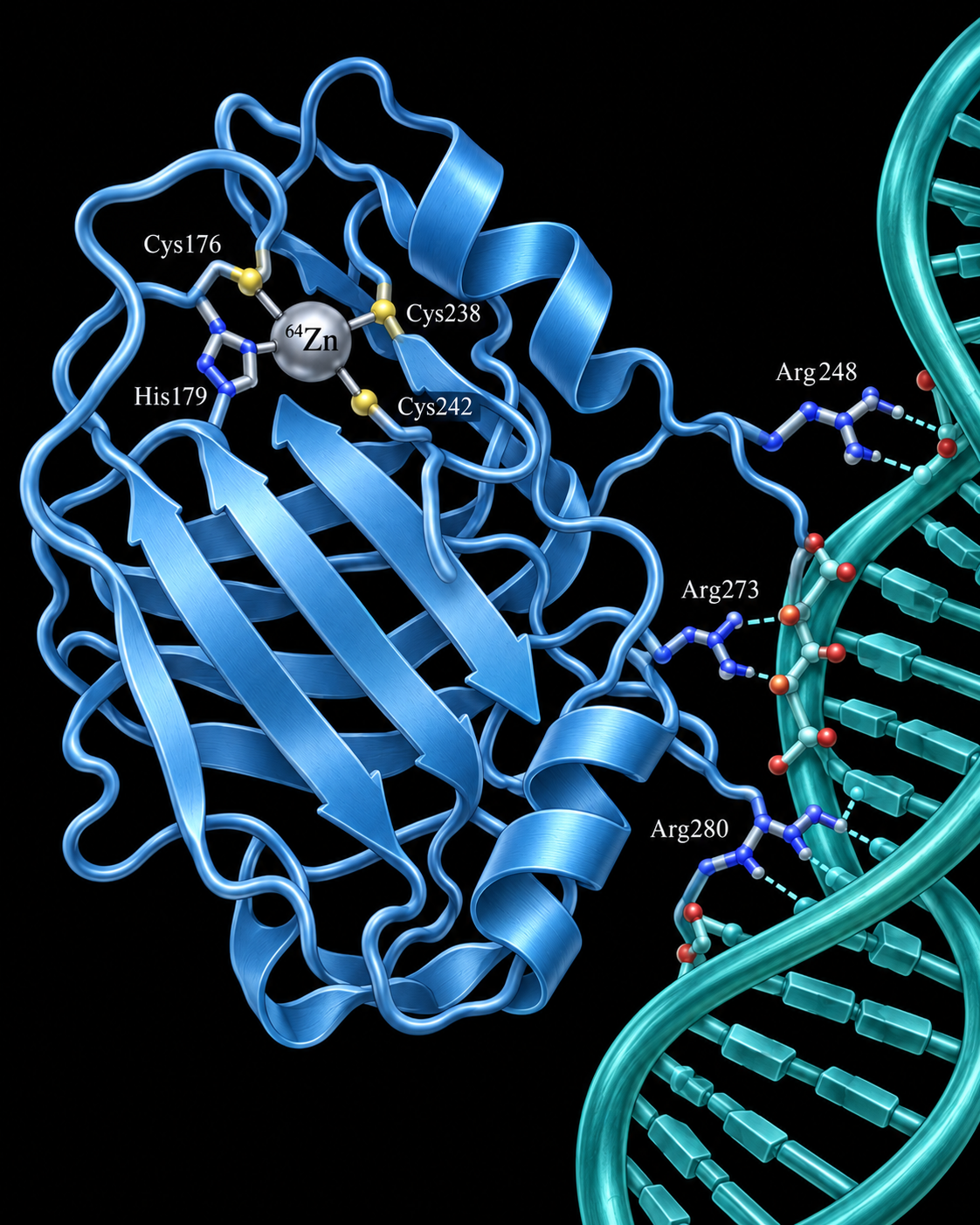
A longer-term translational program will investigate how zinc isotope biology intersects with p53 structure and function, and whether defined molecular contexts could support a biomarker-led development strategy. This remains a research hypothesis, not a clinical claim.
THE PLATFORM
Isotope-selective modulation (ISM™) explores whether selected, enriched stable isotopes can produce biologically meaningful effects within metal-dependent pathways, and whether those effects can be translated into medicines. Isotopic composition is considered alongside chemical form, formulation, and exposure. The objective is to translate this combination into measurable biological effects and, ultimately, clinical benefit. ISM is proprietary to Metallomix Inc. and its affiliate-licensor Vector Vitale LLC.
64Zn and KLS-1
The 64Zn Platform is an indication-targeting strategy guided by the disease-specific isotopic signatures and zinc dyshomeostasis. KLS-1 is the first-in-class isotope selective modulator - a systemic small molecule targeting zinc-dependent cellular pathways. Industry adoption is pursued through comparative validation of therapeutic synergies with standard of care drugs.
Explore the science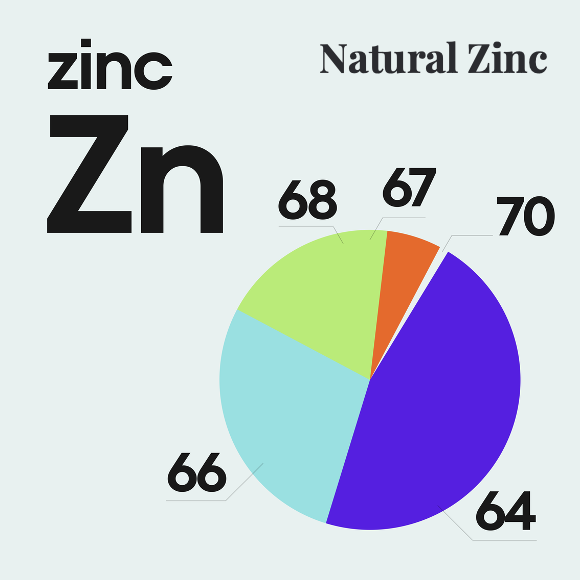
Four connected dimensions of drug design
THE SCIENCE
A FUNCTIONAL LAYER OF BIOLOGY
The metallome comprises metals and metal-containing species within a biological system. Zinc participates in protein structure, enzyme activity, gene regulation, and cellular signaling.
Chronic diseases can involve persistent disruptions in cellular metal availability, with consequences for energy metabolism, immune signaling and tissue function. An unmet need remains for the therapies that modulate these processes in the relevant cells and tissues, with controlled exposure and measurable biological effects. At Metallomix, we see the metallome modulation as a next-generation modality for chronic disease therapies.
Learn moreISOTOPIC PRECISION
Driven by the differences in quantum zero-point energies, isotopic fractionation alters the natural ratios of essential metals (e.g., zinc, iron, and copper) as they interact within biological systems. Enriched cold isotopes represent a potential next evolutionary step in isotope-based medicine. They preserve the central insight that isotopes can be therapeutically useful, but replace radioactive decay with stable, non-radioactive isotope composition as the active design variable. Stable isotopes do not emit radiation, but their distinct mass properties can influence isotope distribution, binding equilibria, transport, reaction kinetics, and metabolic flux under appropriate biological conditions.
The KLS-1 program investigates whether a defined zinc composition can meaningfully influence disease-relevant zinc-dependent biology. The modality depends on a chain of evidence: Disease isotope signature → rational isotope selection → controlled formulation/exposure → measurable metallome engagement → biological or clinical effect.
FROM RATIONALE TO VALIDATION
Isotope-Selective Modulation™ investigates whether selected stable-isotope compositions can produce biologically meaningful effects in metal-dependent pathways. First-generation isotope oncology used radiation as the therapeutic payload. Next-generation isotope oncology may use stable isotope enrichment as a biochemical tuning mechanism.
Radiation therapies use energy deposition to injure malignant cells. Radiopharmaceuticals improve this by bringing the radiation source closer to selected cancer cells. Cold-isotope therapies go one level deeper: Instead of using the isotope as a source of radiation, they use the isotope as an atomic-level modifier of biological systems.
In the case of enriched 64Zn, the intended therapeutic variable is not radioactivity, but controlled delivery of a defined zinc isotope into zinc-dependent networks involving metalloproteins, zinc transporters, metallothioneins, immune signaling, oxidative-stress pathways, DNA repair, tumor metabolism, and the tumor microenvironment
KLS-1 is designed to validate whether it can safely deliver an isotopically defined zinc signal into cancer-associated zinc-handling pathways, alter zinc-dependent biological networks, and generate measurable evidence of pharmacodynamic and clinical activity. This will validate the central premise of next-generation isotope modality: That enriched stable isotopes can be developed as non-radioactive therapeutic agents whose isotope composition, chemical form, and exposure are intentionally engineered to modulate disease biology.
THE EVIDENCE
A developing body of research.
Each study answers a different question.
Metallomix research: 9 publications
Exploratory assessment of dose, tolerability, and pharmacokinetics. This earlier, small study is distinct from NCT06506643 and does not establish efficacy.
Exploratory mouse study of 64Zn diaspartate examining tumor burden, survival, and apoptosis-associated biomarkers in Ehrlich ascites carcinoma.
Preclinical manuscript examining melanoma-cell migration, invasion, apoptosis-related markers, and metastatic burden in a mouse model.
Investigation of inflammatory and microbiome changes in an LPS-induced rat model of Parkinson’s disease.
Further investigation of zinc-64 aspartate in a rat model of diet-induced obesity.
Investigation of intravenous zinc-64 aspartate, neuroinflammatory responses, motor performance, and dopaminergic neuron preservation in an LPS-induced rat model of Parkinson’s disease.
Research on oxidative stress, lipid metabolism, and pancreatic and liver biology in a high-calorie diet model.
Investigation of zinc-64 aspartate, inflammatory measures, and cognitive outcomes in rats with Aβ-induced disease.
Cell-culture research comparing zinc-64 compounds and examining cytotoxicity and apoptosis in malignant and non-malignant cells.
Preclinical evaluation of the zinc-containing compound 2aZn, examining phosphatidylserine targeting, tumor-cell membrane disruption, and effects on tumor growth and metastasis in cell and mouse models.
Preclinical research evaluating rubidium ions in glioblastoma cell and mouse models, including effects on tumor growth, apoptosis, and PI3K/AKT/mTOR signaling.
Preprint investigating how competition for zinc between CDKN2A-low tumor cells and tumor-associated macrophages affects phagocytosis and immune checkpoint blockade response.
Review of iron, manganese, copper, and zinc homeostasis in neurodegenerative diseases, including mechanisms of neuronal injury and therapeutic strategies targeting metal imbalance.
Review of signals that promote or inhibit macrophage-mediated phagocytosis of cancer cells, including phosphatidylserine and CD47, and therapeutic approaches targeting these pathways.
Review of deuterium incorporation in drug discovery, including effects on metabolic stability, pharmacokinetics, and the development of deuterated medicines.
Review of zinc signaling in cell proliferation, survival, apoptosis, and DNA repair, examining biological targets and the therapeutic potential of zinc in human disease.
Prospective observational study comparing plasma and red blood cell zinc in 252 hospitalized patients, examining their relationship and the influence of acute illness and inflammation on zinc measurements.
Review of disease-associated changes in natural isotope abundance and fractionation, and their potential use in diagnosis and prognosis.
Observational research on urinary zinc concentrations and isotope composition in cancers of secretory organs, exploring markers of altered zinc handling.
Post-mortem human brain research comparing copper and zinc isotope composition in Alzheimer’s disease and controls, and examining associations with disease pathology.
Review of altered zinc homeostasis and ZIP/ZnT transporter function in cancer, examining effects on cellular signaling and potential strategies targeting zinc handling.
Review discussing zinc depletion, altered ZIP transporter expression, and zinc-ionophore approaches in carcinomas, drawing on experimental studies and a reported prostate cancer case.
Comparison of urinary metal concentrations and zinc isotope ratios in pancreatic ductal adenocarcinoma and healthy controls, investigating a non-invasive biomarker approach.
Observational analysis of copper and zinc isotope composition in human cerebrospinal fluid, comparing ALS, Alzheimer’s disease, and controls. ALS was associated with heavier copper isotope composition, while zinc isotope composition did not distinguish ALS from controls.
Experimental research on how site-specific deuterium enrichment of polyunsaturated fatty acids suppresses lipid oxidation and protects yeast cells from oxidative injury.
Experimental research examining how altered prion protein expression and metal-binding capacity affect copper and zinc isotope partitioning in mouse brains.
Preclinical findings support further investigation. They do not establish safety or efficacy in patients, or prove an isotope-specific clinical advantage.
PARTNER WITH US
While oncology remains our primary focus, we welcome strategic partners, investors, development partners, and philanthropic donors to help explore KLS-1 in select neurological, hepatic, and endocrine indications, building on our preclinical research and early human safety data.
64Zn Bio LLC